Source Portable Vibration Olive Nut Harvester for Fruit, Olive, and Nut Crops
Find and compare 30 portable vibration olive nut harvester options for efficient fruit, olive, and nut harvesting. These machines feature gear or belt drives, tractor or electric power sources, and are designed for orchard use in varied terrains. Evaluate specifications like trunk diameter capacity and shaking time to select the right equipment for your agricultural needs.
Key considerations
Products List




Comprehensive Sourcing Guide
Portable Vibration Olive Nut Harvester Sourcing Guide
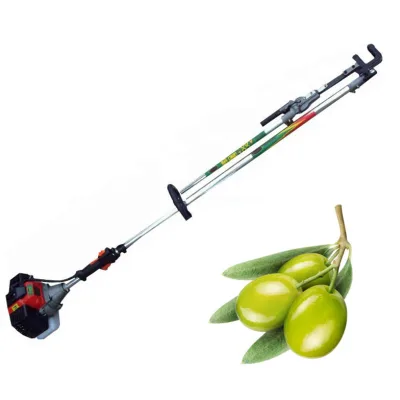
Sourcing a portable vibration olive nut harvester requires careful evaluation of mechanical drive systems and power sources to match specific orchard conditions. Buyers must distinguish between tractor-mounted gear drives and standalone electric or gasoline-powered units, as each offers distinct operational advantages. The observed market includes backpack-type shakers for manual operation and larger track-walking machines for heavy-duty use. Understanding these variations is critical for selecting equipment that aligns with your labor strategy and terrain constraints.
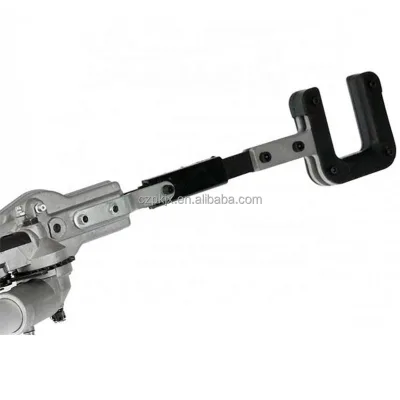
Procurement decisions should also account for the physical dimensions of the target trees and the harvesting method employed. Most units utilize a vibration fall technique, clamping onto trunks with specific diameter limits, typically ranging up to 280mm for larger machines or 150-200mm for smaller variants. Buyers need to verify the clamping amplitude and shaking time to ensure efficient nut detachment without damaging the tree bark. This technical alignment ensures that the selected harvester can handle the specific fruit types and tree ages present in your operation.
Product Scope and Observed Listing Signals
The current market for portable olive harvesters presents a wide range of configurations, from compact backpack units to substantial track-walking machines. Listings indicate a price range from approximately $68 to $25,000, reflecting the diversity in power output and build quality. Minimum order quantities vary significantly, starting from single units for immediate deployment up to 500 units for large-scale fleet acquisitions. This variability allows buyers to scale their procurement based on immediate needs and budget constraints without being locked into excessive inventory.
Product attributes observed in listings highlight key differentiators such as drive type, transmission method, and auxiliary power sources. Some models feature hard shaft transmissions with vee belts, while others utilize soft shafts for flexibility. Power sources range from electric motors to dual-cylinder gasoline engines providing up to 22 horsepower, or tractor PTO connections. These signals help buyers identify machines suitable for specific environments, such as mountains, hills, or plains, ensuring the equipment can adapt to the terrain without compromising performance or safety during operation.
Technical Specifications to Verify
When evaluating technical specifications, buyers must prioritize the maximum diameter of the tree trunk the machine can accommodate. Specifications often list limits such as 280mm for robust models or 150/200mm for more specialized units. It is essential to verify the receiving diameter of fruit trees to ensure a secure fit, preventing slippage during the high-amplitude vibration process. Mismatched clamping mechanisms can lead to inefficient harvesting and potential damage to the tree trunk, making precise dimensional verification a critical step in the selection process.
Power and transmission details are equally important for assessing long-term reliability and operational efficiency. Buyers should confirm whether the unit uses a gear drive, vee belt, or hard/soft shaft transmission, as these affect maintenance requirements and torque delivery. Auxiliary power sources, such as 37kw electric motors or 22hp gasoline engines, must be matched to the available energy infrastructure in the orchard. Additionally, checking the operation mode, whether manual with solenoid valves or fully automated, helps determine the labor intensity required for each harvesting cycle.
Compliance and Safety Documentation
Compliance with international standards is a primary concern for buyers importing agricultural machinery from regions like Shandong, China. Certifications such as CE and ISO9001 are frequently cited, indicating adherence to specific safety and quality management protocols. Buyers should request valid certification documents to verify that the equipment meets the regulatory requirements of their destination country. This verification process mitigates legal risks and ensures that the machinery can be legally operated and insured within your jurisdiction without unexpected compliance hurdles.
Safety documentation should also include detailed machinery test reports and clear operational manuals. The presence of provided test reports for core components, such as motors, offers insight into the manufacturing quality control processes. Buyers must ensure that the supplier provides comprehensive instructions for safe operation, including warnings about high-vibration exposure and mechanical entanglement risks. Proper documentation not only facilitates smoother customs clearance but also supports the training of local operators, reducing the likelihood of accidents and equipment misuse during the harvesting season.
Cost Drivers and Commercial Terms
Several factors influence the final cost of a portable vibration olive nut harvester, including the power source, material quality, and packaging requirements. Units equipped with high-capacity electric motors or robust gasoline engines typically command higher prices due to the cost of components. Additionally, the use of wear-resistant steel and specialized wooden box or case packaging adds to the overall expense but ensures the machine arrives in optimal condition. Buyers should analyze these cost drivers to understand the value proposition of each quoted unit, balancing initial investment against expected durability and performance.
Commercial terms such as minimum order quantities and warranty support significantly impact the total cost of ownership. While some suppliers offer single-unit purchases, others may require larger orders to achieve competitive pricing. After-sales service, particularly online support, is a crucial component that can reduce long-term maintenance costs. Buyers should negotiate clear terms regarding warranty coverage and the availability of spare parts, ensuring that any mechanical issues can be resolved promptly without incurring excessive downtime or repair expenses during the critical harvesting window.
Supplier Qualification and Quality Control
Evaluating supplier qualifications is essential to ensure the reliability of the portable harvester supply chain. Buyers should verify the supplier’s production capabilities, including their ability to provide machinery test reports and maintain consistent quality standards. The presence of a high guarantee attribute suggests a commitment to product reliability, but this should be corroborated by independent reviews or references from previous clients. Establishing a direct line of communication with the supplier allows buyers to assess their responsiveness and technical expertise, which are vital for resolving any post-purchase issues.
Quality control processes should be transparent and well-documented before placing an order. Buyers must confirm that the supplier adheres to recognized production standards, such as ISO9001, and that each unit undergoes rigorous testing before shipment. Inspecting the packing method, whether wooden box or case, ensures that the equipment is protected during transit. Additionally, verifying the number of rows and specific model numbers, such as EOH-600 or PLE-500, helps in tracking the exact specifications of the delivered goods, preventing discrepancies between ordered and received items.
Long-Term Procurement Checks
Long-term procurement success depends on establishing a sustainable relationship with suppliers who can provide consistent support and spare parts. Buyers should prioritize suppliers who offer online support and have a proven track record in the agricultural machinery sector. Regular communication regarding maintenance schedules and operational best practices can extend the lifespan of the harvester and improve harvesting efficiency. Investing in a reliable supplier reduces the risk of equipment failure during peak seasons and ensures that any technical challenges are addressed promptly and professionally.
Continuous monitoring of market trends and technological advancements in portable harvesters is also crucial for staying competitive. Buyers should periodically review new models and features, such as improved clamping mechanisms or more efficient power sources, to identify opportunities for upgrading their fleet. By staying informed about industry developments, buyers can make strategic decisions that enhance their harvesting capabilities and reduce operational costs over time. This proactive approach ensures that the procurement strategy remains aligned with evolving agricultural needs and technological innovations.
FAQs
What power sources are available for portable olive nut harvesters?
Portable olive nut harvesters utilize tractor power, electric motors, or dual cylinder gasoline engines. Some models feature 20-22 HP auxiliary power or 37kw equipped power. These options ensure reliable operation in various orchard environments, allowing users to select the most suitable energy source for their specific harvesting needs and terrain conditions.
Can the harvester adapt to different tree trunk diameters?
Yes, the clamping mechanism adapts to various tree sizes. The receiving diameter for fruit trees is typically up to 150 or 200 mm, while the maximum diameter of the tree trunk supported is 280 mm. This flexibility ensures effective shaking for a wide range of olive tree sizes without damaging the bark or branches.
How is the fruit shaking process controlled and timed?
The operation mode combines manual control with a solenoid valve for precision. The fruit shaking time is limited to 10 seconds per cycle, ensuring efficient harvesting. The clamping clamp amplitude is kept under 2 cm to protect the tree while effectively dislodging olives. This controlled approach minimizes fruit damage and maximizes yield quality.
What certifications do these portable harvesters typically hold?
These portable harvesters commonly hold CE and ISO9001 certifications, ensuring compliance with international safety and quality standards. The products are manufactured in China, often in Shandong, and undergo machinery test reports. These certifications provide buyers with confidence in the equipment's reliability, safety, and adherence to established manufacturing protocols for agricultural machinery.
What packaging is used for shipping these machines?
The machines are packaged in wooden boxes, wooden cases, or standard boxes to ensure safe transit. This robust packaging protects the harvester from damage during shipping. The choice of packaging depends on the specific model and size, ensuring that the equipment arrives in new condition, ready for immediate deployment in orchards or agricultural settings.
Which applications and crops are suitable for this harvester?
This harvester is designed for fruit applications, particularly olives, but also supports rice, wheat, tubers, corn, straw, soybean, cotton, and garlic. It is suitable for forestry and agriculture fields. The versatile design allows it to adapt to mountains, hills, and plains, making it a multi-purpose tool for various crop harvesting needs.